Athlete Leadership Asset Guide
To create a more inclusive world, Special Olympics is turning to those who are already leading the way—the athletes themselves. Through Athlete Leadership programming, SOI is creating opportunities for people with IDD to develop and demonstrate their abilities in leadership roles both inside and outside the organization.
Athlete Leadership partners with people with IDD (Special Olympics athlete leaders) to ensure they are set up to succeed in meaningful leadership roles. This is done by providing training in knowledge and inclusive environments.
Athlete and Unified Leadership are two sides of the same coin, together creating inclusive environments where everyone’s leadership potential is realized.
Athlete Leadership programming contributes to the 2021-2030 Special Olympics Strategic Plan on Strategy 2: Empower Athlete Leaders and other Change Makers. Athlete Leadership has three goals:
- Increase the number of leaders within the organization who have IDD.
- Increase capacity of people with IDD via training and practical experience, to be successful in leadership roles in Special Olympics, community, and workplace.
- Increase the number of people with IDD in meaningful leadership roles within Special Olympics.
There are three guiding principles for Athlete Leadership. These principles provide strategic direction and outline what components are necessary to ensure athletes are leading the way.
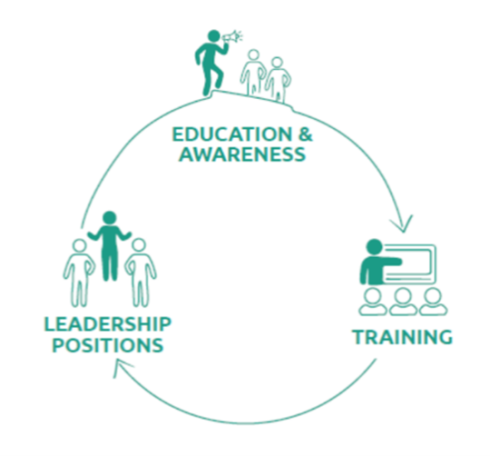
I. Education and Awareness Building
Building from sport, Unified Leadership teaches leaders without disabilities to value and learn from people with IDD, and make changes that create environments where people with IDD get opportunities to have meaningful jobs and roles.
Focusing on leaders without disabilities—the dominant group—is critical. The key to unlocking real change in organizations and local communities is when leaders without disabilities:
- Value: See people with IDd as contributors, leaders, people to learn from.
- Include: Adapt behaviors and processes to create environments where people with IDD have meaningful roles and jobs
- Enable: Let go—share or transfer power to people with ID and let them lead
II. Training
To empower athlete leaders to forge their own path and pursue their fullest potential, SOI is ensuring they have access to key tools and skills to succeed. The Leadership & Skills Curriculum for Athlete Leaders is designed to provide athletes with leadership training as well as personal and professional development that they can apply to leadership roles in their Program, community, and workplace.
The curriculum consists of two core modules (Introduction to Athlete Leadership and Understanding Leadership) and a series of additional courses designed to prepare athletes for leadership opportunities inside and outside the Special Olympics movement.
III. Leadership Positions
Athlete Leadership teaches our athletes to gain the knowledge and confidence to lead programmatic work. This is their organization—we are here to support them.
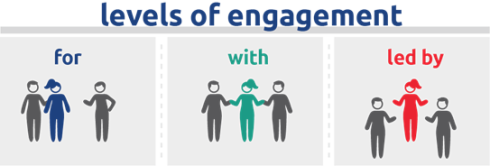
There are various levels and ways to engage with Special Olympics athletes. We want to ensure all leaders of the movement, especially those without IDD, are exploring ways to empower athletes to lead and meaningfully contribute.

Special Olympics was founded upon the principle that athletes hold the power to change the world through sport. But so often, Special Olympics athletes—people with intellectual and developmental disabilities (IDD)—don’t have the power to change anything because people without IDD control everything. Even in Special Olympics, our programming and opportunities for people with IDD involve staff, volunteers, and family members without IDD doing something for them.
Athlete Leadership teaches our athletes to gain the knowledge and self-determination to confidently lead our programmatic work. This is their organization—we are here to support them. Athletes are teachers of inclusion.
- The abilities of people with IDD are routinely underestimated and undervalued, and they are often unable to achieve their potential to no fault of their own.
- People with IDD experience chronically low levels of employment, for example averaging 19% in the US, reflecting the attitudes, behaviors, and low expectations of people without disabilities.
- We provide training: To empower athlete leaders to forge their own path and pursue their personal goals, Special Olympics ensures they have access to key tools and skills to succeed through training opportunities. The Leadership & Skills curriculum for Athlete Leadership is designed to provide people with IDD with leadership and personal/professional development training so they are better equipped to holdleadership roles in their Special Olympics Program, community, and workplace.
- We offer meaningful leadership roles: Athlete Leadership teaches people with IDD to gain the knowledge and confidence to lead programmatic work, but we know just training them isn’t enough. This is why we offer them leadership opportunities that are meaningful to them and to the organization. This hands-on experience equips them with the tools needed to lead in their community and workplace, thus improving their chances of achieving economic and personal independence.
We surveyed more than 50 global leaders with IDD, that have gone through our Leadership & Skills Curriculum and have held leadership positions in Special Olympics. Here are some of the findings:
- 100% said that their role as an Athlete Leader helps Special Olympics.
- 95% said that people in their Special Olympics Program respect and value them as a leader.
- 100% said they can use the skills taught in the Leadership & Skills Curriculum to be a better leader.
- 86% said that being an athlete leader has given them more opportunities to get a job.
Antwerp Management School conducted a research study to determine the impact of our Leadership & Skills Curriculum. Here are some of the findings:
- The Special Olympics Leadership & Skills Curriculum has a high impact on “self-determination (autonomy, belonging, competence), intrinsic motivation and thus the wellbeing of the participants.”
Special Olympics was created more than 55 years ago as a service provider for children and adults with IDD and their families. Over the years, we have evolved to meet the needs of this population through the addition of Healthy Athletes(R) to fill the gap in medical care that people with IDD face and the addition of Unified Champion Schools to promote social inclusion in K-12 schools and across college campuses, so it only makes sense that Athlete Leadership was created to address the lack of skills and opportunities that people with IDD have to make meaningful contributions to our movement and their communities.
Our organization was created for people with IDD, but just like other organizations change, we too need to evolve to be an organization that works with people with IDD to eventually be led by people with IDD. This is their organization—we are here to support them.
Unified Leadership and Athlete Leadership are both initiatives that address different sides of the same problem, that people with IDD are often not given opportunities to take on meaningful roles within their communities or workplaces.[3] Athlete Leadership (programming for people with IDD) addresses this problem by providing critical, unique, and effective leadership education and experiences, which are proven to support the employability of people with IDD.[4] Through Athlete Leadership programming, Special Olympics supports the readiness of people with IDD for the workplace. Unified Leadership programming addresses this problem by providing education for people without IDD, so that companies are ready to recognize and fully leverage the great contributions that people with IDD are ready to share with them.
Presenting these two initiatives together will be especially compelling for funders who are passionate about solving big-picture issues related to employment of people with IDD or the empowerment of people with IDD to take on leadership roles in their communities more broadly.
Further, Athlete Leadership and Unified Leadership can be presented as complementing initiatives because Athlete Leadership’s Leadership and Skills Curriculum (read more here) is used to prepare people with IDD to present Unified Leadership sessions. Through Athlete Leadership programming, Special Olympics athletes, people with IDD, learn facilitation skills and technical knowledge about workplace inclusion to prepare them to deliver Unified Leadership sessions. Unified Leadership relies on Athlete Leadership programming to provide qualified, trained facilitators with IDD, who are ready to deliver Unified Leadership sessions. This may be appealing to funders who are passionate about investing in Special Olympics athletes’ leadership skills and the operations of delivering key initiatives like Unified Leadership.