
Local Club
What is a Local Club?
A Local Club offers Special Olympics sports and non-sport activities within a community. It is a local branch of the Special Olympics National/State Program. A Local Club is open for anyone to become a member—people with and without intellectual disabilities, their families, and volunteers from all backgrounds. It is at the Local Club grassroots level of the movement where communities of inclusion are built, and everyone’s abilities are appreciated.
A Local Club offers Special Olympics sports and non-sport activities within a community. It is a local branch of the Special Olympics National/State Program. A Local Club is open for anyone to become a member—people with and without intellectual disabilities, their families, and volunteers from all backgrounds. It is at the Local Club grassroots level of the movement where communities of inclusion are built, and everyone’s abilities are appreciated.
Your journey to becoming a local club starts here. Click each numbered step to access information, resources, and recommendations that will guide you through the process of creating and sustaining a successful club.


First Steps: Introduction
Special Olympics is a global movement that unleashes the human spirit through the transformative power and joy of sport, promotes social inclusion and builds inclusive communities for people with intellectual disabilities (ID) around the world. Through programming in SPORTS, HEALTH, EDUCATION, and LEADERSHIP, Special Olympics promotes equal rights and opportunities for people with ID.
Explore the First Steps: Introduction page
Explore the First Steps: Introduction page
First Steps: Club Registration
Before you start a new club:
Determine whether there is a NEED:
Determine whether there is a NEED:
- What (if any) Special Olympics activities are already taking place in or near your geographical area?
- What specific sport and community needs the new Special Olympics club should help meet?
- Can existing clubs expand their programming to fulfill these additional needs instead (e.g., an existing club offering additional sports)?
First Steps: Club Management Team
What happens in a Club directly impacts safety and security of the athletes; it can either enhance or hurt the experience of the members and the Special Olympics brand overall. Make sure you build a strong management team of volunteers who share the Special Olympics commitment to safety and security of its members and quality of club operations.
Explore the First Steps: Club Management Team page
Explore the First Steps: Club Management Team page
Recruit Club Members: Athletes
To start functioning as a club, you need to promote the club in the community to ensure potential athletes (people with ID) and their families are aware of the available opportunities. Start by identify ways to recruit ATHLETES.
Explore the Recruit Club Members: Athletes page
Explore the Recruit Club Members: Athletes page
Recruit Club Members: Coaches
Your club relies on COACHES to deliver programming and activities. Coaches are role models and revealers of character. Special Olympics coaches go even further, they help athletes with intellectual disabilities find their strengths, develop sports skills, improve abilities and sports performance. A potential COACH doesn’t have to have previous experience working with Special Olympics or people with intellectual disabilities.
Explore the Recruit Club Members: Coaches page
Explore the Recruit Club Members: Coaches page
Recruit Club Members: Volunteers
GENERAL VOLUNTEERS play a key role in helping deliver Special Olympics opportunities, activities and experiences for athletes in local communities. Proper volunteer registration is important to ensure the safety and well-being of athletes and other volunteers. Check with your National/State Program to clarify background check/references requirements.
Explore Recruit Club Members: Volunteers page
Explore Recruit Club Members: Volunteers page
Recruitment Club Members: Families
FAMILIES (parents, siblings, caregivers) of people with ID are a vital component of the Special Olympics movement. Contact your National/State office to check on the process of registering families.
Explore the Recruitment Club Members: Families page
Explore the Recruitment Club Members: Families page
Core Functions: Sports Activities
Special Olympics’ primary goal is to provide high-quality year-round training and competition opportunities for people with intellectual disabilities directed by qualified coaches. Through sports, our athletes become confident and empowered by their accomplishments. There is a range of Olympic-style winter and summer sports to suit every age or skill level.
Explore the Core Functions: Sports Activities page
Explore the Core Functions: Sports Activities page
Core Functions: Communication
It is important to establish and keep consistent COMMUNICATION with local club members, National/State Program staff and external supporters to ensure sustainability of the club. Make sure to follow the Special Olympics logo and brand guidelines and establish connections with other local clubs to learn from their experiences.
Explore the Core Functions: Communications page
Explore the Core Functions: Communications page
Core Functions: Fundraising
Securing adequate resources is vital to the success of a Local Club. Clubs are encouraged to fundraise in order to create sustainable programs and improve the quality of sports training and competition opportunities for athletes. There are many ways to raise funds: sponsorships, grants, letter writing campaigns, special events, etc.
Explore the Core Functions: Fundraising page
Explore the Core Functions: Fundraising page
Core Functions: Financial Management
To keep your club in good standing, work closely with your National/State Program on financial management of your club income and expenses. Accounting for all funds raised and used by your club is very important for protecting the credibility of your club and the Special Olympics brand as a whole. Once you connect with your National/State Program to receive guidance on its financial management policies, follow these steps to ensure that Local Club financial resources are managed properly.
Explore the Core Functions: Financial Management page
Explore the Core Functions: Financial Management page
Local Club Is Established: Club Development
Special Olympics is committed to offering high quality sports and engagement experiences for its members and supporters. As the Local Club develops and grows, its management team should focus on providing high quality sports and non-sports activities.
Explore the Local Club Is Established: Club Development page
Explore the Local Club Is Established: Club Development page
Local Club Is Established: Club Sustainability
Special Olympics Clubs deliver sports training and competition opportunities for local athletes and are vital in providing a sense of community and belonging for their members. Ensuring your club is sustainable takes a lot of hard work and commitment and depends on a wide range of linked factors. Here are the top 3 things to help ensure your club’s sustainability.
Explore the Local Club Is Established: Club Sustainability page
Explore the Local Club Is Established: Club Sustainability page
Download the Full Local Club Roadmap
Read more about Organizational Development

Foundation for Lasting Inclusion
In Albania, the road to inclusion isn't always straightforward.
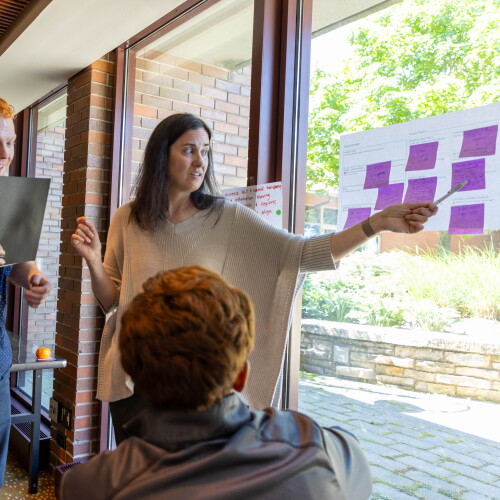
From Leadership Development to Organizational Impact
Leadership is not built in isolation. It is developed through learning, collaboration, and a shared commitment to creating meaningful change. That philosophy sits within Special Olympics Leadership Academy.

Alumni Leadership Network Spotlight: Christa White
Christa has spent her career helping people see what’s possible, not just for organizations, but for themselves.

The Caribbean Leadership Academy Launches
Eighteen leaders from six Caribbean islands gathered together in Saint Kitts and Nevis, not in a massive conference hall, but in a space built for conversation, honesty, and growth.